


Plastic Card Variable Data Printing Systems
Industrial Inkjet Systems for Gift Cards, Loyalty Cards, Membership Cards & Credentials
Variable data printing on plastic cards enables personalization, customization, and unique identification for gift cards, loyalty programs, membership credentials, and access cards. DPi's industrial inkjet systems print variable text, graphics, barcodes, QR codes, and full-color images on plastic card stock at production speeds—delivering the flexibility of digital personalization without the cost or limitations of traditional card printing methods.
Our M7 and Hawk 4-Color systems integrate with card manufacturing and converting equipment to add variable data inline, or operate as standalone card personalization systems for operations requiring on-demand printing. Whether you're producing gift cards with unique serial numbers, membership cards with personalized names, or loyalty cards with variable graphics—DPi provides the industrial inkjet solution.
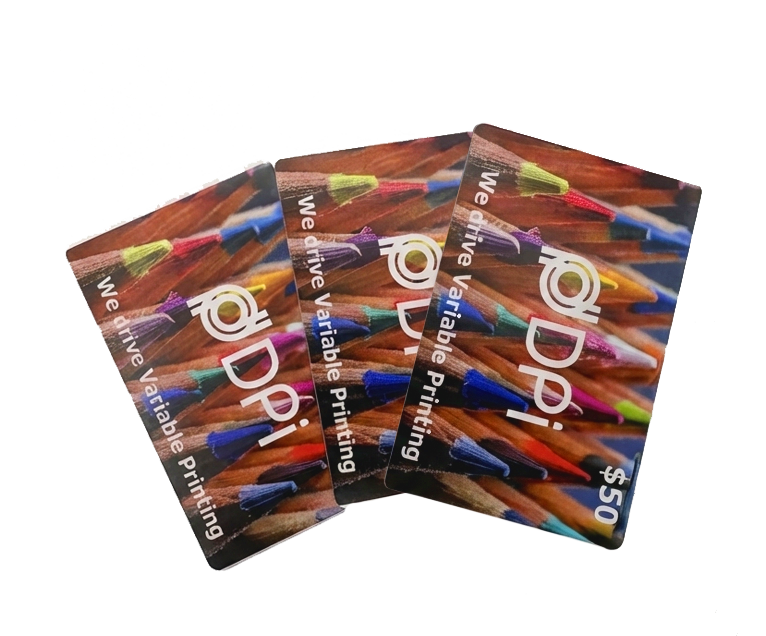
DPi Plastic Card Printing Systems
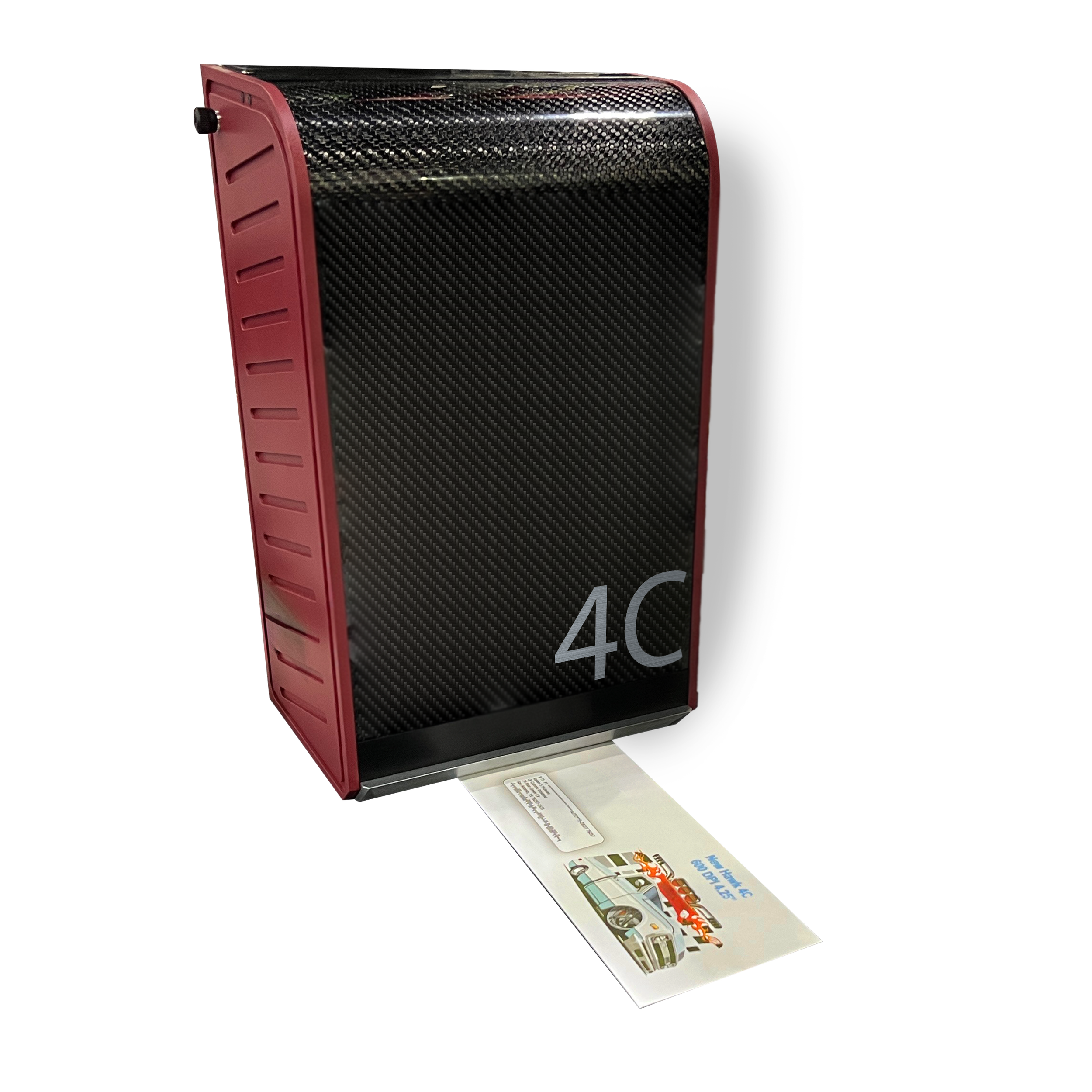
Hawk 4-Color System for Full-Color Card Personalization
High-Resolution CMYK Printing for Photo-Quality Graphics
The Hawk 4C delivers 1200 DPI full-color variable printing on plastic cards—enabling photo personalization, full-color graphics, and high-resolution images for premium card applications.
Key Features:
1200 DPI resolution (photographic quality)
Full CMYK color (variable color per card)
Photo personalization (print individual member photos)
Variable graphics (different images per card)
UV-curable inks (instant dry on plastic substrates)
Production speeds suitable for batch personalization
Ideal Applications:
Membership cards with photos (gym, club, professional)
Employee ID badges with headshots
Student IDs with photos
VIP and premium loyalty cards with custom graphics
Event credentials with attendee photos
Security badges requiring photo identification
Advantages Over Dye-Sublimation: Traditional dye-sublimation card printers require specialized card stock and are limited to full-bleed designs. The Hawk 4C prints on standard PVC, PET, and composite card stock with variable positioning—allowing partial-card printing and mixed layouts without waste.
Plastic Card Substrates & Materials
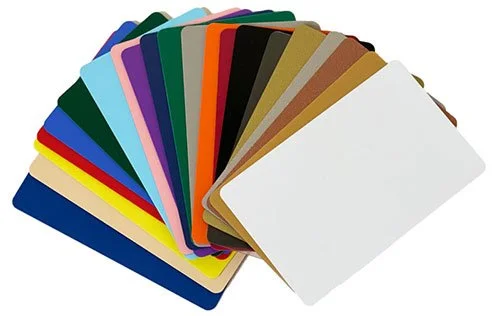
DPi systems print on all standard plastic card materials used in gift card, loyalty card, and credential production:
PVC (Polyvinyl Chloride)
The most common plastic card material. Durable, cost-effective, and widely used for gift cards, loyalty cards, and access badges.
Characteristics:
Standard 30 mil thickness (credit card size)
Glossy or matte finish options
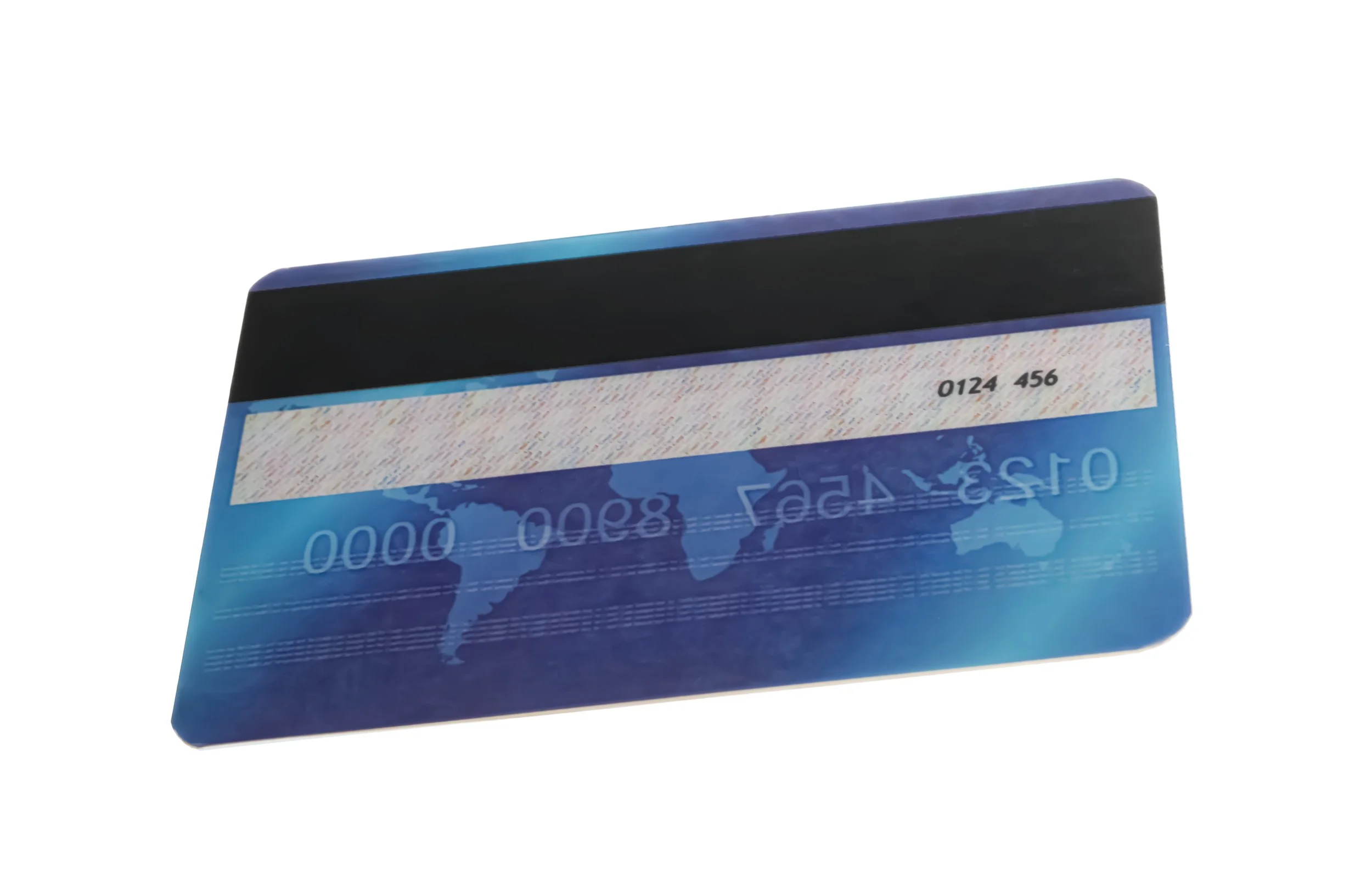
Compatible with magnetic stripes
Recyclable (some limitations)
UV Ink Adhesion: Excellent. Our UV inks bond well to PVC surfaces.
PET (Polyethylene Terephthalate)
More environmentally friendly than PVC. Used for eco-conscious card programs and applications requiring higher durability.
Characteristics:
Stronger and more flexible than PVC
Better temperature tolerance
100% recyclable
Increasingly popular for sustainability initiatives
UV Ink Adhesion: Excellent. PET is compatible with UV-curable inks.
Composite Cards (PVC/PET Blend)
Blend of PVC and PET offering durability benefits with cost efficiency.
Characteristics:
Balance of PVC cost and PET durability
Standard thickness (30 mil)
Compatible with most card printers and readers
UV Ink Adhesion: Excellent.
Biodegradable & Eco-Friendly Materials
Emerging card materials made from PLA (polylactic acid) and other biodegradable plastics for environmentally conscious programs.
Characteristics:
Compostable under industrial conditions
Lower environmental impact
Suitable for short-term use cards (events, temporary access)
UV Ink Adhesion: Test recommended. Some biodegradable materials require ink formulation adjustment.
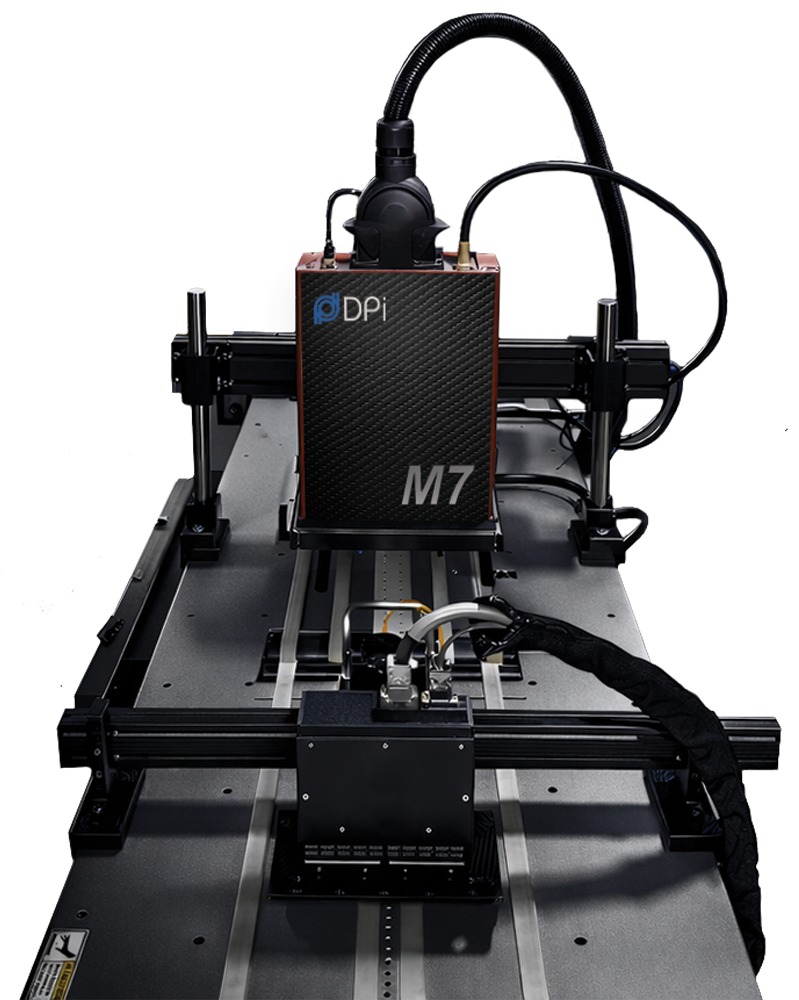
M7 Variable System for Monochrome Card Printing
High-Speed Black or Spot Color Printing for Serial Numbers, Barcodes, and Text
The M7 system prints variable text, numbers, barcodes, and QR codes on plastic cards at high speeds—ideal for gift card serialization, loyalty card numbering, and access card barcoding.
Key Features:
High-speed printing (hundreds of cards per hour)
UV-curable inks (instant dry on plastic)
Black or spot colors (single-color or dual-color configurations)
Barcode accuracy (Code 39, Code 128, QR, Data Matrix)
Sequential numbering with verification
Inline or standalone configurations
Ideal Applications:
Gift card serial numbering
Loyalty card barcode printing
Access card numbering
Parking permit numbering
Transit card personalization
Prepaid card activation codes
Advantages: Lower cost than full-color systems for applications requiring only text, numbers, and barcodes. Higher throughput than desktop card printers for production environments.

Benefits of DPi Variable Inkjet for Plastic Cards
1. On-Demand Personalization
Print cards as needed rather than maintaining inventory of pre-printed stock. Reduce waste, minimize obsolescence, and gain flexibility to update designs without scrapping existing inventory.
2. Lower Cost Than Desktop Card Printers
Industrial inkjet delivers lower cost-per-card than desktop dye-sublimation or thermal transfer printers—especially for high-volume operations producing thousands of cards monthly.
3. Higher Throughput
M7 systems print hundreds of cards per hour vs. 50-150 cards/hour typical of desktop card printers. Hawk 4C handles batch personalization at production speeds.
4. Full Design Flexibility
Print variable data anywhere on the card—not limited to full-bleed designs required by dye-sublimation. Mix pre-printed base graphics with variable inkjet data.
5. Multiple Card Designs in One Run
Switch between different card designs, loyalty tiers, or membership levels without changeover. QPress manages multiple layouts in a single production run.
6. Photo Personalization (Hawk 4C)
Print individual member photos, employee headshots, or student portraits directly on cards—no separate photo equipment required.
7. Barcode Accuracy Guaranteed
Add Code Reading System verification to ensure 100% barcode readability—critical for gift card activation and access control applications.
8. Integration with Card Finishing
Our systems integrate with card punching, magnetic stripe encoding, chip encoding, and lamination equipment for complete card production workflows.
9. USA Manufacturing & Support
Designed and manufactured in Texas with direct engineering support. No overseas delays when you need service or custom configuration.
Frequently Asked Questions
What types of plastic cards can DPi systems print on?
DPi systems print on PVC, PET, composite, and most plastic card materials in standard CR80 size (credit card dimensions: 3.375" x 2.125"). We also print on non-standard sizes and custom card formats.
Can you print full-color photos on plastic cards?
Yes. The Hawk 4-Color system prints full CMYK images at 1200 DPI resolution—suitable for member photos, employee headshots, and high-resolution graphics on membership cards and ID badges.
How fast can plastic card printing systems run?
Speed depends on the system and complexity of variable data. M7 systems print hundreds of cards per hour for text, numbers, and barcodes. Hawk 4C handles batch personalization with full-color images at production speeds suitable for commercial card operations.
What's the difference between DPi inkjet and dye-sublimation card printers?
Dye-sublimation printers require specialized card stock and print full-bleed designs only. DPi UV inkjet prints on standard PVC/PET card stock with variable positioning—allowing partial-card printing and mixed layouts. Industrial inkjet also delivers higher throughput and lower cost-per-card for high-volume operations.
Can you print barcodes and QR codes on plastic cards?
Yes. QPress software generates all standard barcode formats (Code 39, Code 128, QR Code, Data Matrix) with automatic sizing and checksum calculation. Add Code Reading System verification for 100% scan reliability.
Do DPi systems work with magnetic stripe encoding?
Our inkjet systems can integrate with magnetic stripe encoding equipment in production workflows. Print variable data first, then encode mag stripes in a downstream step—or vice versa depending on your process.
Can I print on pre-printed card stock?
Yes. Many operations use pre-printed cards with base graphics (logos, background designs) and add variable data (names, numbers, barcodes) with DPi inkjet. This combines the quality of offset pre-printing with the flexibility of digital variable data.
What's the minimum order quantity for plastic card printing with DPi systems?
There's no minimum. Print one card or one million. On-demand capability eliminates the need for large pre-printed inventory runs.
How durable is UV ink on plastic cards?
UV-curable inks bond permanently to plastic substrates and resist scratching, fading, and wear. For maximum durability, cards can be laminated or overcoated after printing—a standard practice for cards requiring extended use.
Can you print variable serial numbers with security features?
Yes. QPress generates sequential or encrypted serial numbers with custom formatting. For security applications, variable data can include encrypted codes, checksums, or multi-factor identifiers. Discuss specific security requirements with our engineering team.
Do DPi systems integrate with card punching and lamination equipment?
Yes. We design integration for card finishing workflows including hole punching, slot punching, lamination, and chip/mag stripe encoding. Inline integration allows complete card production in a single pass.
What's the typical cost for a plastic card printing system?
System costs range from $75,000 to $150,000 depending on configuration (M7 vs. Hawk 4C), number of printheads, integration requirements, and finishing equipment. Contact us for a custom quote based on your production requirements.
Can I switch between different card designs without stopping production?
Yes. QPress manages multiple card designs, layouts, and data sources in a single production run. Switch between designs in seconds—no physical setup or changeover required.
Where are DPi plastic card systems manufactured?
All DPi systems are designed, engineered, and manufactured in Cresson, Texas, USA, with USA-based technical support and service.
Related Resources
Systems:
Hawk 4-Color System - Full-color photo personalization
M7 Variable System - High-speed monochrome printing
Code Reading Systems - Barcode verification
QPress Software - Variable data management
Applications:
Variable Data Printing Solutions - All applications overview
Ticketing & Forms - Sequential numbering and barcodes
Security & RFID - RFID integration
Industry Insights:
Get Started with Plastic Card Variable Data Printing
Ready to add variable data capability to your packaging line? Whether you're a corrugated converter, flexible packaging operation, or folding carton manufacturer—DPi has a solution.
Next Steps:
Request Specifications: Get detailed system specs for your application
Schedule Consultation: Speak with our packaging integration engineers
Site Survey: We visit your facility to assess integration requirements
Custom Proposal: Receive engineered solution with pricing and timeline
Contact DPi Packaging Solutions:
📞 (817) 512-3151
📧 sales@digitalprint.com
📍 217 Performance Ln, Cresson, TX 76035